In this glossary, you will find vocabulary and key concepts from "Heat Transfer Summary" on page 46 of your book "Heat transfer, a practical approach".
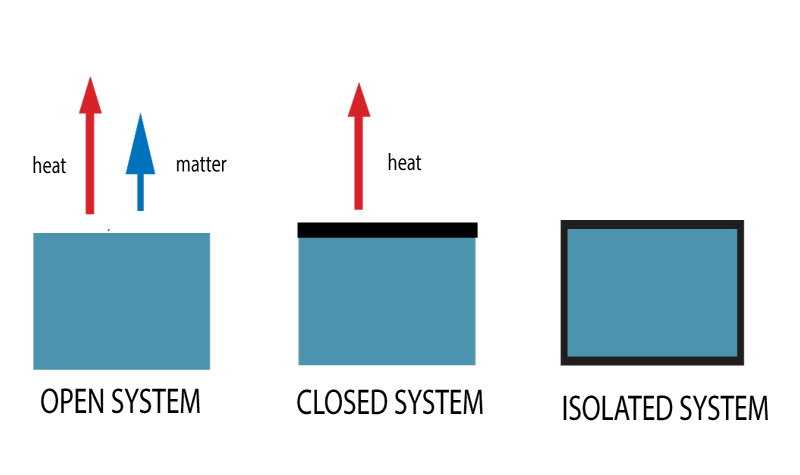
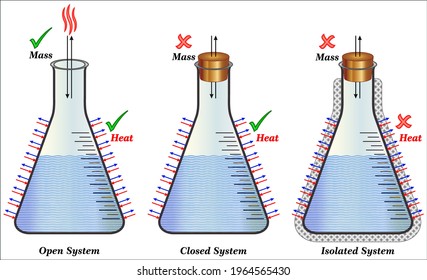
Closed system
noun
Is a system of fixed mass.
Example: An industrial process may be performed in a closed system.
en: Sistema cerrado
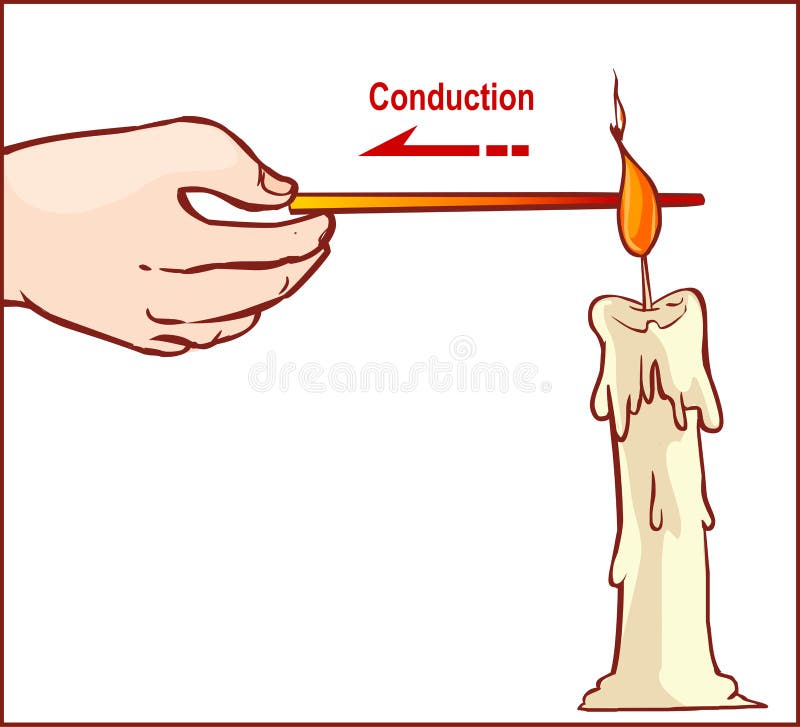
Conduction
noun
Is the transfer of energy from the more energetic particles of a substance to the adjacent less energetic ones as a result of interactions between the particles.
Example: The direction and density of the fibers determine heat conduction and transfer.
en: Conducción
Consist of
phrasal verb
To be formed or made up of (specified things or people).
Example: The systems consist of a variety of technologies and each of these systems is unique and independent of each other.
en: Consistir en, Constar de
Convection
noun
Is the mode of heat transfer between a solid surface and the adjacent liquid or gas that is in motion, and involves the combined effects of conduction and fluid motion.
Example: The main heat transfer mechanism between the air and the bodies is convection.
en: Convección
Deal with
phrasal verb
To take action on.
Example: When you deal with something or someone that needs attention, you give your attention to them, and often solve a problem or make a decision concerning them.
en: Lidiar con, Ocuparse de
Fixed mass
noun
Is the amount of matter in an object which stays constant.
Example: A system of fixed mass is called a closed system and a system that involves mass transfer across its boundaries is called
an open system or control volume.
en: Masa fija
Heat Transfer
noun
Is the exchange of the sensible and latent forms of internal energy between two mediums as a result of a temperature difference.
Example: The heat transfer to the paper is made by direct contact to the outside wall of the cylinder.
en: Transferencia de calor
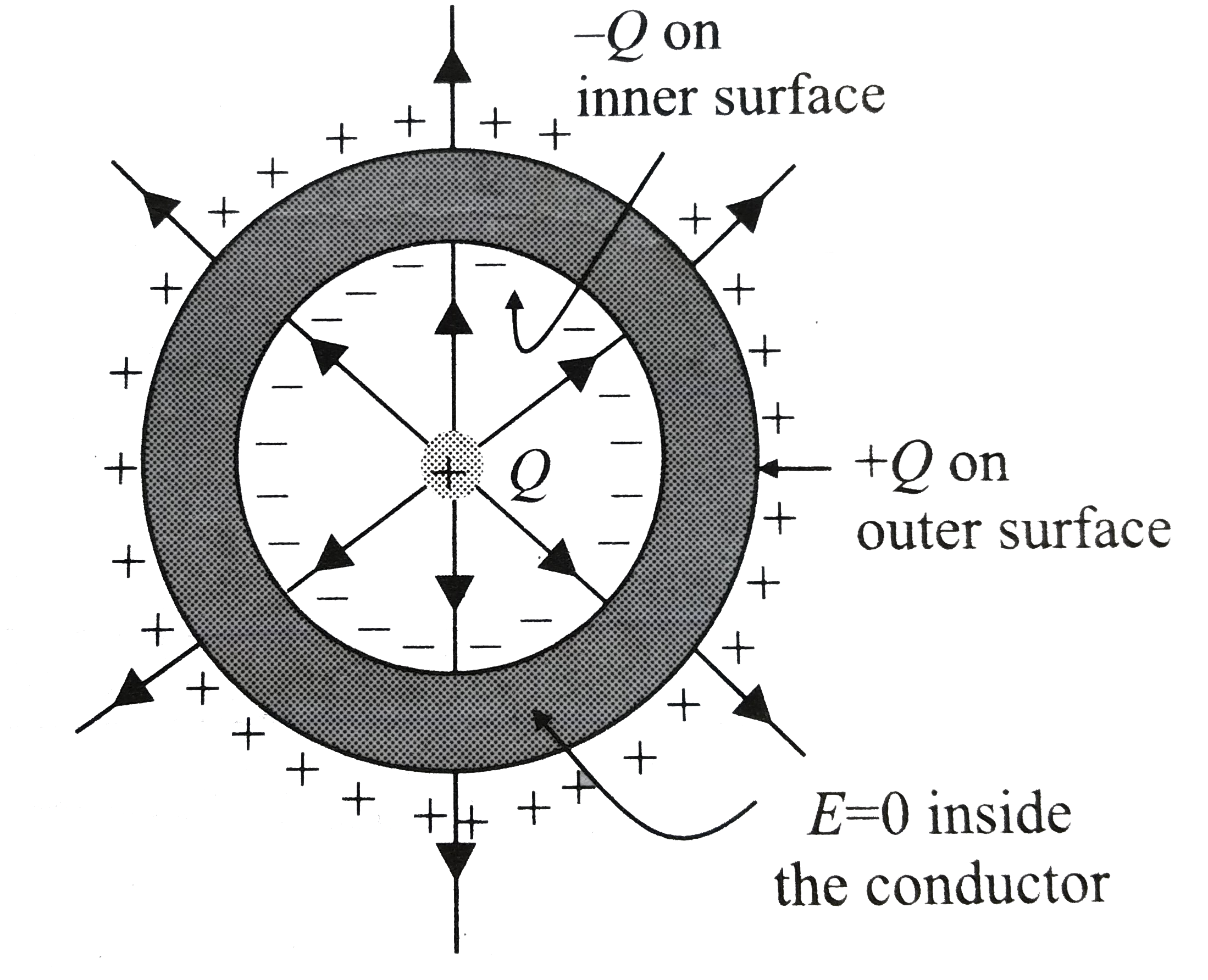
Inner surface
noun
Is the internal layer of something.
Example: The inner surface of the enclosure must be impermeable and non-reactive to the air-conditioning refrigerant fluid.
en: Superficie interior, Superficie interna
Internal energy
noun
Represents the molecular energy of a system, and it consists of sensible, latent, chemical, and nuclear forms.
Example: The sensible and latent forms of internal energy can be transferred from one medium to another as a result of a temperature difference, and are referred to as heat or thermal energy.
en: Energía interna
Mass transfer
noun
Is when transport of matter occurs from a higher concentration of mass in one region to a lower concentration in another.
Example: This type of evaporator, designed for special cases, is used to enhance the mass transfer between liquid and vapour.
en: Transferencia de masa
Open system
noun
Is a system that involves mass transfer across its boundaries.
Example: In mechanics a driven oscillation is an open system, the energy is transferred to the mass by the driving force.
en: Sistema abierto
Outer surface
noun
The outside part of something.
Example: The cornea is the clear, outer surface on the front of the eye.
en: Superficie externa, Superficie exterior
Radiation
noun
Is the energy emitted by matter in the form of electromagnetic waves (or photons) as a result of the changes in the electronic configurations of the atoms or molecules.
Example: The radiation directly outside of the tunnel is extremely small.
en: Radiación
Total energy
noun
Is the sum of all forms of energy of a system and it includes the internal, kinetic, and potential energies.
Example: The two basic equations are those of conservation of total energy and conservation of total momentum.
en: Energía total
Undergo
verb
To experience, endure, or sustain.
Example: If you undergo something necessary or unpleasant, it happens to you.